New Year Special Offer!

Enjoy

FLAT 20% OFF

on all services.

Days
Hours
Minutes
Seconds
Days
Hours
Minutes
Seconds

Blogs

MH Tint Studio

Color PPF vs Global PPF
By Md Masud Monsur
1 month ago
No Responses

When you own a car, one of the most important things you want to maintain is its appearance. A shiny, new paint job adds a sense of pride, while the fading, scratching, and chipping that can occur over time diminish its value and appeal. Thatโ€™s where Paint Protection Film (PPF) comes in. This is a protective, clear film that is applied to your carโ€™s paint to prevent damage from environmental factors like UV rays, bird droppings, tree sap, and even minor rock chips.

There are various types of PPF available, but two of the most popular are Color PPF and Global PPF. These two types of films serve the same primary purpose: protecting your car’s paint. However, they offer different features and benefits that may appeal to different needs and preferences. So, which one is the best for your car? Letโ€™s dive deeper into the details of both to help you decide.

What is Paint Protection Film (PPF)?

PPF is a clear, ultra-thin layer of film applied to your car’s exterior surfaces to shield the paint from a variety of environmental and physical damages. It acts as an invisible layer of armor that helps maintain your vehicleโ€™s paint by protecting it from:

  • UV damage: The sunโ€™s ultraviolet rays can cause paint to fade over time. PPF helps prevent this fading and keeps the color vibrant.

  • Scratches and chips: Whether from rocks, debris, or accidental scratches, PPF provides a protective barrier that absorbs the impact, preventing damage to your car’s paint.

  • Chemical stains: Bird droppings, tree sap, or industrial fallout can cause stains that are difficult to remove. PPF makes it easier to clean off these contaminants without damaging the paint underneath.

  • Swirl marks: These are light scratches caused by improper washing techniques, but PPF minimizes their appearance, and some even have self-healing properties that make them disappear over time.

Both Color PPF and Global PPF offer these benefits but differ in terms of appearance and customization options. Letโ€™s look at each one in detail to understand which may suit your needs better.

Color PPF vs Global PPF3

What is Color PPF?

Color PPF is a specific type of Paint Protection Film that adds not only a protective layer to your car’s paint but also offers a color and finish customization. Unlike the traditional clear PPF, Color PPF comes in various colors and textures, allowing you to change the appearance of your car while simultaneously protecting it.

Features of Color PPF:

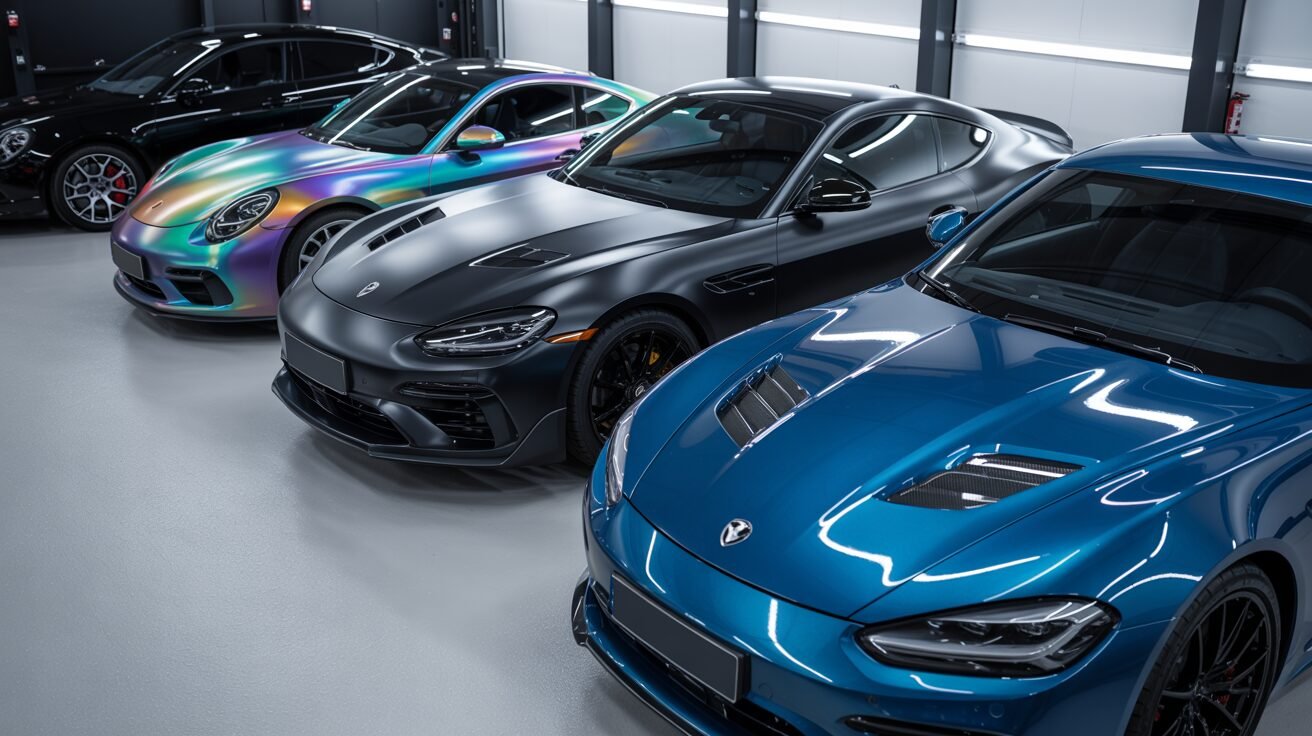
  • Variety of Colors and Finishes: The most obvious feature of Color PPF is that it allows you to change your carโ€™s color. Itโ€™s available in a variety of shades, from bold colors to more subtle tones. Moreover, Color PPF comes in different finishes such as:

    • Glossy: Adds a shiny, reflective surface to your car.

    • Matte: Provides a smooth, non-reflective look.

    • Satin: A combination of glossy and matte, offering a sleek, smooth appearance.

    • Textured/Carbon Fiber: For a sporty or luxury look with a textured finish.

  • Self-Healing: Like traditional clear PPF, Color PPF is self-healing, meaning that it can repair minor scratches and swirl marks over time, leaving the surface smooth and blemish-free.

  • Durable Protection: Color PPF protects the carโ€™s paint from scratches, chips, and UV damage, just like the clear version, while offering the added benefit of enhancing the car’s appearance.

Benefits of Color PPF:

  1. Enhanced Aesthetics: If you want to make a bold statement with your car, Color PPF allows you to choose a vibrant new color or a unique finish that reflects your style. Whether you prefer a high-shine gloss or a subtle satin, this option provides personalization beyond what a traditional respray could offer.

  2. Customization Without Permanent Change: Color PPF lets you change the look of your car without committing to a permanent paint job. Itโ€™s an ideal solution for those who want the appearance of a new color or finish but arenโ€™t ready to invest in a full repaint.

  3. Protective Layer: In addition to enhancing your carโ€™s appearance, Color PPF still provides excellent protection from environmental hazards such as UV rays, dirt, minor abrasions, and road debris.

  4. Protects Resale Value: The protection offered by Color PPF can help preserve your carโ€™s resale value by preventing paint damage that may affect the carโ€™s price in the market.

Drawbacks of Color PPF:

  1. Cost: Since Color PPF includes customization and requires more advanced installation, it is typically more expensive than clear PPF.

  2. Limited Color Choices: Although Color PPF offers a variety of shades, it might not always match your exact vision, especially if you are looking for a very specific custom color or finish.

  3. Maintenance: While Color PPF is durable, it might require more care to maintain its color vibrancy over time. The film could also need touch-ups, especially if exposed to harsh weather conditions for extended periods.

What is Global PPF?

Global PPF, also known as clear PPF, is designed to provide high-quality protection for your carโ€™s paint without changing its appearance. This type of PPF is completely transparent, meaning it allows the original color of your carโ€™s paint to shine through while offering superior protection from the elements.

Features of Global PPF:

  • Invisible Protection: The film is clear, so it doesnโ€™t alter your carโ€™s appearance. Itโ€™s perfect for car owners who want protection but prefer to keep the original look and feel of the vehicle intact.

  • High Durability: Global PPF is known for its exceptional durability and resistance to environmental damage. It protects against chips, scratches, bird droppings, tree sap, and other contaminants that can cause long-term harm to the paint.

  • Self-Healing Properties: Like Color PPF, Global PPF also features self-healing capabilities, which help remove minor scratches and marks over time, ensuring your carโ€™s surface remains smooth.

Benefits of Global PPF:

  1. Unobtrusive Protection: Global PPF allows you to keep the original aesthetics of your car while providing excellent protection. If you prefer your carโ€™s current color and donโ€™t want to change anything, this is the perfect option.

  2. Superior Protection: While it doesnโ€™t change the car’s appearance, Global PPF still provides strong protection against chips, abrasions, and UV damage. Itโ€™s especially beneficial for those who frequently drive in areas with a lot of road debris or extreme weather.

  3. Maintenance: Global PPF is easy to maintain, requiring less attention than Color PPF. Since it doesnโ€™t alter the carโ€™s look, thereโ€™s no need to worry about color fading or changing finishes.

  4. Resale Value: By preserving the original paint and preventing damage, Global PPF helps maintain the resale value of your car. If you ever decide to sell, having the original paint protected will help your car hold its value.

Drawbacks of Global PPF:

  1. Lack of Customization: The most significant drawback of Global PPF is the lack of color options. If youโ€™re looking for a custom look or finish, Global PPF wonโ€™t help. Itโ€™s best for those who are content with their car’s existing color.

  2. Visibility of Edges: In some cases, the edges of Global PPF might be visible, especially if the installation is not perfect. This can detract from the otherwise seamless look of the vehicle.

  3. Yellowing Over Time: Some lower-quality Global PPF can yellow over time due to prolonged exposure to sunlight and harsh weather. However, high-quality films are designed to resist this issue, so itโ€™s important to choose a reputable brand.

Color PPF vs Global PPF3

Key Considerations When Choosing Between Color PPF and Global PPF

1. Purpose of Use:

  • If protection is your primary goal and you want to preserve your carโ€™s original look, Global PPF is the right choice.

  • If you’re looking for protection combined with an aesthetic upgrade, Color PPF offers customization options that let you change the look of your vehicle.

2. Budget:

  • Color PPF is generally more expensive due to its custom finishes and color options, while Global PPF is often more affordable, providing a cost-effective solution for those who just need protection.

3. Longevity and Durability:

  • Both Color PPF and Global PPF offer excellent durability. However, Global PPF might have a slight edge when it comes to long-term performance, especially in terms of withstanding UV exposure without discoloration.

4. Maintenance:

  • While both types of PPF are low-maintenance, Color PPF might require more attention, especially when it comes to maintaining the colorโ€™s vibrancy and finish.

Conclusion

Ultimately, choosing between Color PPF and Global PPF comes down to your personal preferences and priorities. If you want to change the look of your car while ensuring itโ€™s protected, Color PPF is the perfect option. On the other hand, if you prefer to keep your carโ€™s original appearance while still giving it top-notch protection, Global PPF is the way to go.

Both types of PPF provide excellent protection against scratches, chips, UV damage, and environmental contaminants, ensuring your vehicle stays in great condition for years. Whether you’re an enthusiast looking to stand out with a custom finish or someone who simply wants to protect their investment, both options offer valuable benefits.

Consider your goals, your budget, and how much you value customization versus protection, and youโ€™ll be able to choose the PPF that best suits your needs.

Car Wrapping vs. Car Painting
By Md Masud Monsur
2 months ago
No Responses

When it comes to changing the look of your car, protecting its original finish, or giving it a fresh personality, two options usually come to mind: car wrapping and car painting. Both have their own strengths, weaknesses, costs, and long-term effects. Many car owners feel confused when choosing between them because, on the surface, both seem to achieve the same goalโ€”making your car look better.

But the truth is, car wrapping vs. car painting is not just about color. Itโ€™s about budget, durability, resale value, customization, maintenance, and purpose.

In this in-depth guide, weโ€™ll break everything down in a clear, human, and practical wayโ€”no technical jargon, no robotic tone. By the end, youโ€™ll know exactly which option fits your car and lifestyle best.

Understanding the Basics

Before comparing features, letโ€™s understand what each process actually is.

What Is Car Wrapping?

Car wrapping involves covering your carโ€™s original paint with a thin, flexible vinyl film. This film can be:

  • Solid color
  • Matte, gloss, satin
  • Carbon fiber
  • Chrome
  • Custom graphics or designs

The wrap sticks to the paint without damaging it and can be removed later.

Think of it like a skin for your car.

What Is Car Painting?

Car painting is the traditional method of changing a vehicleโ€™s color by sanding, priming, and applying layers of paint, followed by clear coat. Once painted, the change is permanent unless repainted again.

Itโ€™s more like rewriting your carโ€™s identity.

Car Wrapping vs. Car Painting: Feature-by-Feature Comparison

Letโ€™s dive into the real differences.

1. Appearance and Customization

Car Wrapping โ€“ Features

Car wrapping offers unmatched customization.

You can choose:

  • Hundreds of colors
  • Textures like matte, satin, chrome, brushed metal
  • Custom logos, patterns, or branding
  • Partial wraps (roof, hood, mirrors)

Want a matte black car today and a metallic blue next year? No problem.

Advantages

  • Endless design options
  • Unique finishes not possible with paint
  • Ideal for branding and advertising
  • Easy to stand out

Disadvantages

  • Extremely cheap wraps may look fake
  • Finish depends heavily on installer skill

Car Painting โ€“ Features

Painting focuses more on depth and originality.

High-quality paint jobs can deliver:

  • Deep gloss
  • Factory-like finish
  • Smooth color transitions

Advantages

  • Premium, natural look
  • Perfect for classic cars
  • Seamless finish

Disadvantages

  • Limited texture options
  • Custom effects increase cost significantly

Verdict (Appearance):
If creativity and variety matter, car wrapping wins.
If you want a timeless, factory-quality finish, painting shines.

2. Cost Comparison

Car Wrapping Cost

The price of car wrapping varies based on:

  • Car size
  • Vinyl quality
  • Design complexity

Typical cost range:

  • Economy wrap: Low to medium
  • Premium wrap: Medium to high

Advantages

  • Usually cheaper than a high-end paint job
  • Partial wraps reduce cost
  • No need for repainting original car

Disadvantages

  • Premium wraps can be expensive
  • Needs replacement after a few years

Car Painting Cost

Painting can be affordable or extremely expensive.

Cost depends on:

  • Paint quality
  • Preparation work
  • Labor time
  • Custom finishes

Advantages

  • One-time investment
  • Long-lasting when done properly

Disadvantages

  • High-quality paint jobs are costly
  • Cheap paint jobs fade and peel quickly

Verdict (Cost):
For most modern cars, wrapping is more budget-friendly.
For long-term ownership, painting can make sense.

3. Durability and Lifespan

Car Wrapping Durability

A good quality wrap lasts:

  • 3โ€“5 years (average)
  • Up to 7 years with care

Factors affecting lifespan

  • Sun exposure
  • Weather conditions
  • Maintenance habits

Advantages

  • Protects original paint from UV, scratches, and chips
  • Easy to replace damaged sections

Disadvantages

  • Shorter lifespan than paint
  • Can peel if poorly installed

Car Painting Durability

A quality paint job can last:

  • 10+ years

Advantages

  • Extremely durable
  • No edges or seams
  • Resistant to peeling

Disadvantages

  • Chips and scratches are permanent
  • Repairs can be costly

Verdict (Durability):
For long-term durability, painting wins.
For protective flexibility, wrapping is better.

4. Protection of Original Paint

This is where the car wrapping vs. car painting debate becomes interesting.

Car Wrapping Protection

Vinyl wrap acts as a shield.

Advantages

  • Protects against UV damage
  • Guards against minor scratches
  • Preserves factory paint underneath

Disadvantages

  • Traps moisture if installed incorrectly
  • Not designed for heavy impact protection

Car Painting Protection

Painting replaces the original paint entirely.

Advantages

  • Fresh surface
  • No risk of trapped moisture

Disadvantages

  • Original paint is lost forever
  • Lower resale value in some markets

Verdict (Protection):
If preserving original paint matters, wrapping is the clear winner.

5. Installation Time

Car Wrapping Time

  • 1 to 3 days on average

Advantages

  • Fast process
  • No long curing time
  • Get your car back quickly

Disadvantages

  • Rushed jobs affect quality

Car Painting Time

  • 1 to 3 weeks (sometimes longer)

Advantages

  • Thorough process
  • Deep finish

Disadvantages

  • Long downtime
  • Multiple curing stages

Verdict (Time):
If speed matters, car wrapping is far superior.

6. Maintenance and Care

Car Wrapping Maintenance

Needs:

  • Gentle washing
  • No harsh chemicals
  • Shade parking preferred

Advantages

  • Easy to clean
  • No polishing required

Disadvantages

  • Sensitive to heat and chemicals
  • Matte wraps need extra care

Car Painting Maintenance

Needs:

  • Regular washing
  • Polishing and waxing
  • Scratch repairs

Advantages

  • Can be polished and corrected
  • More forgiving

Disadvantages

  • Maintenance costs over time
  • Paint correction is expensive

Verdict (Maintenance):
Wraps are easier daily, paints are easier long-term.

7. Resale Value Impact

Car Wrapping and Resale

Advantages

  • Original paint stays intact
  • Wrap can be removed before selling
  • Buyers trust factory paint

Disadvantages

  • Poor-quality wrap raises suspicion

Car Painting and Resale

Advantages

  • Fresh paint attracts buyers if done professionally

Disadvantages

  • Color changes reduce resale value
  • Buyers may suspect accident history

Verdict (Resale):
Wrapping generally protects resale value better.

8. Environmental Impact

Car Wrapping vs. Car Painting

Car Wrapping

Pros

  • Less chemical waste
  • No paint fumes
  • Removable material

Cons

  • Vinyl waste if not recycled

Car Painting

Pros

  • Long-lasting surface

Cons

  • Paint fumes
  • Chemical runoff
  • Environmental regulations

Verdict (Eco Impact):
Car wrapping is more environmentally friendly.

9. Repair and Damage Handling

Wrap Repair

  • Small sections can be replaced
  • Lower repair cost
  • Faster fix

Paint Repair

  • Requires sanding and repainting
  • Color matching issues
  • Higher cost

Verdict:
Wraps are easier and cheaper to repair.

When Should You Choose Car Wrapping?

Car wrapping is ideal if:

  • You want frequent style changes
  • You care about resale value
  • You run a business (branding)
  • You want paint protection
  • You want quick results

When Should You Choose Car Painting?

Car painting is better if:

  • You want a permanent change
  • You own a classic car
  • You prefer a factory finish
  • You plan long-term ownership

Car Wrapping vs. Car Painting: Final Comparison Table

Factor Car Wrapping Car Painting
Cost Medium Mediumโ€“High
Customization Very High Limited
Lifespan 3โ€“7 Years 10+ Years
Installation Time 1โ€“3 Days 1โ€“3 Weeks
Paint Protection Excellent None
Resale Value High Can decrease
Maintenance Easy Moderate
Reversibility Yes No

Final Thoughts: Which One Is Right for You?

The debate of car wrapping vs. car painting doesnโ€™t have a single winnerโ€”because the right choice depends on your goals.

If you see your car as an evolving expression of style, branding, or protection, car wrapping is the smarter, more flexible solution.

If you want a permanent transformation and donโ€™t plan on changing things again, car painting delivers timeless appeal.

In todayโ€™s world, where customization, protection, and resale value matter more than ever, many car owners are leaning toward car wrappingโ€”and for good reason.


Matte vs Gloss PPF
By giasuddin
2 months ago
No Responses

When it comes to protecting your vehicleโ€™s paintwork, there are many options to consider, but Paint Protection Film (PPF) stands out as one of the most reliable and durable choices. As car enthusiasts know, keeping the exterior pristine is essential for both aesthetic appeal and maintaining the carโ€™s value. But when it comes to PPF, a critical decision arisesโ€”should you opt for matte or gloss?

The debate of matte vs gloss PPF has sparked much interest, and choosing the right one depends on a combination of factors, including your personal preference, the look you’re going for, and the specific needs of your vehicle. To help you make an informed decision, let’s break down the key differences, benefits, and considerations of matte and gloss PPF.


What is PPF?

Before diving into the matte vs gloss PPF comparison, let’s first define what PPF is. Paint Protection Film is a transparent, self-healing layer that is applied to a vehicleโ€™s exterior. The film acts as a shield against rock chips, scratches, bird droppings, tree sap, and other environmental contaminants that can damage the paint. PPFc is made from a thermoplastic urethane material and is available in various finishes, including matte and gloss.

Matte vs Gloss PPF: Understanding the Difference

1. Gloss PPF:

Gloss PPF is designed to enhance the paintโ€™s natural shine and depth. This type of film creates a glossy finish, making the paint appear more vibrant and reflective. If you have a vehicle with a shiny, high-gloss paint job, gloss PPF will maintain the car’s original luster and give it a wet, polished look.

  • Finish: High shine
  • Appearance: Reflective and glossy
  • Effect on Paint: Amplifies paintโ€™s depth and shine
  • Protection: Protects the paint while maintaining its gloss
2. Matte PPF:

Matte PPF, on the other hand, is designed to offer a flat, non-reflective finish. It has a more understated, satin-like appearance that doesnโ€™t have the shine of gloss. Matte PPF is often chosen for vehicles with matte or satin finishes but can also be used to change a gloss car to a more subtle, muted look. It gives a unique, luxurious vibe while still offering excellent protection.

  • Finish: Flat and non-reflective
  • Appearance: Smooth and satin-like
  • Effect on Paint: Muted and matte, no shine
  • Protection: Provides protection while maintaining the matte effect


The Benefits of Gloss PPF

For those who love a high-gloss, polished look for their vehicle, gloss PPF offers a multitude of benefits that make it an appealing option.

  1. Enhanced Appearance:
    The most noticeable benefit of gloss PPF is how it enhances the carโ€™s overall appearance. Gloss films accentuate the color and depth of the vehicle’s paint, bringing out its vibrancy and shine. If you own a vehicle with a factory glossy paint job, gloss PPF will preserve that look and make it pop even more.
  2. More Reflective:
    Gloss PPF is reflective, making the car shine in the sunlight, giving it that fresh-from-the-showroom look. It is particularly popular among those who own luxury or high-performance vehicles, as the high-gloss finish complements the sleek, shiny appearance of such cars.
  3. Easier to Maintain:
    Gloss PPF has a smoother surface, making it easier to clean and maintain. Dirt and water tend to slide off more easily compared to matte finishes. Additionally, most gloss PPF films are self-healing, which means minor scratches can disappear when exposed to heat.
  4. Durability and Protection:
    Gloss PPF provides excellent protection against environmental contaminants like tree sap, road tar, and bird droppings. It also defends against rock chips and minor scratches that can damage the paint.


The Benefits of Matte PPF

Matte PPF is a popular choice for car owners who prefer a distinctive, understated appearance. While gloss is favored for its shine, matte PPF offers a unique set of benefits that many find appealing.

  1. Unique Look:
    The primary reason people choose matte PPF is for its distinct, non-reflective appearance. Matte PPF provides a subtle yet striking look, offering an edge of sophistication and modernity. Whether you have a matte finish car or want to convert a gloss vehicle into something more original, matte PPF delivers.
  2. Sleek, Premium Finish:
    Matte PPF provides a premium, luxurious finish that is perfect for luxury or exotic vehicles. It gives off an impression of exclusivity and class, especially when paired with colors like black, grey, or white.
  3. Less Maintenance:
    Unlike gloss PPF, matte finishes do not show swirl marks, fingerprints, or minor imperfections as easily. This makes matte PPF a good option for those who want a low-maintenance finish. Since it lacks shine, itโ€™s less likely to reveal dust and dirt, which means less frequent cleaning.
  4. Better for Hiding Imperfections:
    Matte PPF helps conceal imperfections in the paint, including minor scratches or imperfections that might be visible with gloss finishes. It provides a more uniform appearance that can smooth over irregularities in the paintwork.


Key Differences Between Matte and Gloss PPF

While both matte and gloss PPF offer protection, they have distinct differences that can affect your decision. Here are the key factors to consider when choosing between matte and gloss PPF:

Aesthetic:
    • Gloss: Adds shine and depth, enhancing the paint’s appearance.
    • Matte: Provides a unique, subdued, and luxurious finish.
Appearance Maintenance:
    • Gloss: Requires regular cleaning to maintain its shine and to avoid swirl marks.
    • Matte: Easier to maintain as it doesnโ€™t show fingerprints or swirl marks.
Reflectivity:
    • Gloss: Highly reflective, creating a shiny, wet look.
    • Matte: Non-reflective, providing a smooth and muted appearance.
Scratches and Scrapes:
    • Gloss: Can be more prone to visible scratches and imperfections, although some gloss films are self-healing.
    • Matte: More forgiving and conceals scratches and blemishes better.

Durability:
Both matte and gloss PPF are highly durable, offering protection against road debris, contaminants, and minor scratches. However, gloss PPF tends to be easier to clean and maintain than matte.

Matte vs Gloss PPF

How to Choose the Right PPF for Your Vehicle?

When deciding between matte vs gloss PPF, consider the following factors:

Your Desired Look:
    • If you prefer a sleek, glossy finish, gloss PPF will maintain the vibrant appearance of your vehicleโ€™s paint.
    • If youโ€™re after a more understated and sophisticated look, matte PPF will offer a unique finish that makes a bold statement.
Vehicle Type:
    • For luxury and performance vehicles, both finishes can work, but gloss is often preferred for high-end cars.
    • If you have a vehicle with a matte paint job or prefer a more subdued look, matte PPF is the way to go.
Maintenance Preferences:
    • Gloss PPF will require regular washing to keep it looking its best, while matte PPF is easier to maintain and doesnโ€™t show imperfections as easily.

Long-Term Protection:
Both finishes offer excellent protection from road hazards and environmental contaminants. However, gloss PPF may be easier to clean, while matte PPF may be better for hiding minor scratches.

Cost:
In general, the cost of matte PPF is slightly higher than gloss PPF due to the complexity of the manufacturing process. Keep in mind that both are a significant investment, but the added cost of matte may be worth it for some owners.


Final Thoughts: Matte vs Gloss PPF

In conclusion, both matte and gloss PPF offer unique advantages. The decision ultimately depends on your personal preference and the kind of look you want for your vehicle. Gloss PPF is perfect for those who want to enhance their carโ€™s shine and vibrant color, while matte PPF offers a more modern, understated finish with less maintenance.

For a car owner looking to maintain a shiny, reflective surface with a deep, wet look, gloss PPF is the ideal choice. On the other hand, if youโ€™re going for a unique and sophisticated style, matte PPF is the perfect option.

Before making a decision, consider your carโ€™s paint, your maintenance preferences, and the overall aesthetic you want to achieve. Ultimately, both finishes will provide excellent protection, so you can rest assured knowing that your vehicleโ€™s paint is well protected, no matter which option you choose.


Complete Guide to Automotive PPF for Long-Lasting Car Paint
By Md Masud Monsur
2 months ago
No Responses

Your carโ€™s paint does more than make it look good. It protects the metal underneath, helps maintain resale value, and represents how well the vehicle is cared for. Yet every day on the road, your car is exposed to countless risksโ€”flying stones, sand, harsh sunlight, bird droppings, tree sap, road salt, and careless door dings in parking lots. Over time, these small threats slowly ruin the finish.

This is exactly why automotive PPF (Paint Protection Film) has become one of the most important upgrades for modern vehicles. It is no longer something only high-end sports cars use. Today, daily drivers, family cars, luxury vehicles, and even motorcycles are protected with PPF.

If you have ever searched for paint protection film near me, wondered whether PPF on car is worth the cost, or tried to understand the difference between PPF coating and ceramic coating, this guide will explain everything in clear, practical terms.

What Is Paint Protection Film (PPF)?

Paint Protection Film is a transparent, ultra-durable polyurethane film that is applied directly to the painted surfaces of a vehicle. It forms a physical barrier between your paint and the outside world.

Unlike wax or polish, which only sit on the surface and wear off over time, PPF absorbs actual impact and damage. It is engineered to resist:

  • Stone chips from highways
  • Minor scratches from keys, bushes, and parking incidents
  • Acidic damage from bird droppings and insects
  • Fading and oxidation from ultraviolet (UV) rays
  • Light scuffs and swirl marks from washing

Once installed properly, PPF is nearly invisible. Most people wonโ€™t even notice it unless they are told the car is protected.

Why PPF Has Become So Popular in Recent Years

Ten years ago, car owners mainly relied on waxing, polishing, and repainting. PPF was expensive and used mostly on supercars. Today, the rising cost of car repainting, rising vehicle prices, and longer ownership cycles have changed the game.

More people now want:

  • Long-term protection instead of short-term shine
  • Lower maintenance costs over time
  • Better resale value
  • Original factory paint preserved

With modern self-healing technology and clearer films, PPF has become practical for everyday use.

Key Benefits of PPF on Car

1. Real Scratch and Stone Chip Protection

Every highway drive sprays your car with sand and tiny stones. Over time, these cause chips on the bonnet, bumper, and side mirrors. PPF absorbs that impact instead of your paint.

2. Powerful UV and Heat Protection

Sunlight doesnโ€™t just heat your car โ€” it slowly destroys paint. UV exposure fades color and causes clear coat oxidation. PPF blocks harmful rays and slows this aging process.

3. Self-Healing Technology

Modern PPF recovers from light scratches using heat. Sunlight or warm water allows the film to โ€œhealโ€ and return to a smooth surface.

4. Long-Term Cost Savings

Many owners hesitate at PPFโ€™s upfront cost, but repainting panels multiple times is far more expensive over the years.

5. Higher Resale Value

Cars with original, untouched paint always sell faster and at higher prices. Buyers look for consistent paint depth and factory finish.

6. Always-New Appearance

PPF keeps your car looking freshly polished without constant detailing.

Types of Car Paint Protection Film

Clear PPF

This is the most widely chosen option. It protects without changing the original look of the vehicle. Your paint color and gloss remain factory-fresh.

Matte PPF

This converts glossy paint into a satin matte finish while still offering full protection. Itโ€™s popular among performance and luxury car owners.

Color PPF

Color PPF allows full color transformation with protection. It is a hybrid between wrapping and PPF.

DIY PPF vs Professional Automotive PPF

DIY kits often create:

  • Uneven edges
  • Trapped dust
  • Bubbles and peeling
  • Poor durability

Professional installation ensures precise cutting, perfect alignment, and long-term reliability.

PPF Working in workshop


PPF Coating vs Ceramic Coating

This is one of the most common confusions in car protection.

Feature PPF Ceramic Coating
Scratch Resistance High Low
Stone Chip Protection Yes No
UV Protection Yes Yes
Thickness Thick film Thin liquid layer
Self-Healing Yes No
Cost Higher Lower

Best Combination: Many owners install PPF first on high-impact areas, then apply ceramic coating over the rest of the car.

Where PPF Is Commonly Installed

PPF can be applied partially or across the entire vehicle depending on budget.

High-Impact Areas:

  • Front bumper
  • Bonnet
  • Headlights
  • Side mirrors
  • Door cups
  • Door edges

Full Body PPF:

  • All painted panels
  • Maximum protection
  • Best resale preservation

How Long Does Automotive PPF Last?

PPF lifespan depends on:

  • Film brand and quality
  • Installation workmanship
  • Exposure to sun, heat, and road conditions
  • Washing and maintenance habits

Average Lifespan:

  • Budget films: 3โ€“5 years
  • Premium films: 7โ€“10 years
  • High-end films with care: 10+ years

Low-quality PPF may turn yellow, crack, or lose clarity much faster.

Cost of Car Paint Protection Film

PPF is priced based on:

  • Car size (sedan, SUV, MPV, sports car)
  • Partial vs full coverage
  • Film brand
  • Installation complexity
  • Shop reputation

General Price Breakdown:

  • Front bumper only: Lower cost
  • Front half of car: Mid-range cost
  • Full body PPF: Premium investment

Even though full coverage costs more, it offers complete peace of mind and the strongest resale advantage.

Step-by-Step Automotive PPF Installation Process

Step 1: Thorough Exterior Wash

The vehicle is deep-cleaned to remove wax, grease, and dirt.

Step 2: Paint Decontamination

Iron fallout and tar are removed using safe chemical treatments.

Step 3: Paint Correction

Polishing removes swirl marks and light scratches before film installation.

Step 4: Precision Film Cutting

Computer-based templates cut the exact shape of your panels.

Step 5: PPF Installation

Film is installed using solution spray and squeegeed smoothly.

Step 6: Heat Sealing

Edges are heat-sealed for strong durability.

Step 7: Final Inspection

Technicians check for bubbles, dust, alignment, and defects.

After-Care Tips for Long-Lasting PPF

  • Avoid washing the car for 48โ€“72 hours
  • Do not use abrasive sponges
  • Avoid strong chemicals
  • Hand wash instead of automatic brush washes
  • Dry with clean microfiber towels

Proper care can add years to your PPFโ€™s lifespan.

Common Mistakes People Make With PPF

  • Choosing the cheapest film
  • Installing without paint correction
  • Washing immediately after installation
  • Using ammonia-based glass or body cleaners
  • Ignoring edge contamination

These mistakes cause early peeling, clouding, and film failure.

Paint Protection Film Near Me โ€“ How to Choose the Right Shop

When searching paint protection film near me, focus on quality, not price.

A Good PPF Shop Always Offers:

  • Branded certified films
  • Clean dust-controlled workshop
  • Experienced installers
  • Written warranty
  • Real customer photos and reviews

If a shop cannot show previous work or explain film specifications, that is a warning sign.

Is PPF Worth It for Daily-Driven Cars?

Yes โ€” especially for:

  • Highway commuters
  • City traffic drivers
  • Family vehicles
  • Ride-hailing cars
  • New car owners

Daily use exposes your vehicle to constant micro-damage. PPF stops that damage before it reaches the paint.

Is PPF Worth It for Luxury and Sports Cars?

For performance vehicles, PPF is almost mandatory. These cars have:

  • Expensive paint finishes
  • Low-ride height
  • High highway exposure
  • High resale expectations

A single repaint can cost far more than full body PPF.

PPF on Used Cars โ€“ Is It Still Worth It?

Many owners think PPF is only for new cars. Thatโ€™s not true.

Used cars with:

  • Recently repainted panels
  • Good original paint
  • Proper paint correction

Can still benefit greatly from PPF by locking in the current condition for years.

Does PPF Turn Yellow Over Time?

High-quality modern PPF does not yellow easily. Yellowing usually happens due to:

  • Cheap low-grade film
  • Poor UV inhibitors
  • Prolonged chemical exposure
  • Poor washing habits

Premium PPF remains clear even after many years.

Can PPF Be Removed Safely?

Yes. Professional removal:

  • Does not damage paint
  • Leaves no residue
  • Restores full original gloss

This makes PPF completely reversible, unlike repainting.

How PPF Affects Car Resale Value

A car protected with PPF:

  • Shows minimal wear
  • Retains factory paint thickness
  • Has fewer visible defects
  • Attracts serious buyers faster

Many used-car dealers now actively look for PPF-protected vehicles.

PPF vs Vinyl Car Wrap

PPF and vinyl wrap serve different purposes.

Feature PPF Vinyl Wrap
Paint Protection Yes No
Scratch Resistance High Low
Color Change Optional Yes
Thickness Thick Thin
Durability High Medium

PPF is for protection. Vinyl wrap is for color change.

When Should You Install PPF?

The best time is:

  • Immediately after purchasing a new car
  • After repainting
  • After full paint correction

Installing PPF early prevents the need for costly paint repairs later.

Does PPF Affect Car Shine?

No. In fact:

  • Gloss PPF enhances shine
  • Matte PPF adds satin finish
  • Ceramic coating over PPF boosts gloss even more

Your car will still look freshly detailed.

Is Automotive PPF Only for Expensive Cars?

Not anymore. PPF is now common on:

  • Sedans
  • Hatchbacks
  • SUVs
  • Pickup trucks
  • Motorcycles

As vehicle prices increase, protection becomes more valuable even for entry-level cars.

Final Thoughts on Automotive PPF

Automotive Paint Protection Film is not just about appearance โ€” it is about long-term ownership value. It protects your investment, reduces maintenance stress, and keeps your car looking newer for longer.

Whether you choose partial protection or full-body coverage, PPF gives you:

  • Physical paint protection
  • Lower maintenance costs
  • Better resale value
  • Peace of mind on every drive

If you plan to keep your car for several years, PPF is one of the smartest upgrades you can make.


Newsletter

Sign up our newsletter to get update information, news and free insight.

Latest News