New Year Special Offer!

Enjoy

FLAT 20% OFF

on all services.

Days
Hours
Minutes
Seconds
Days
Hours
Minutes
Seconds

Blogs

MH Tint Studio

Car Tinting Kuala Lumpur
By Md Masud Monsur
4 days ago
No Responses

If you’re driving around Kuala Lumpur, you’ll often notice how sunny and hot the weather can be. This is why car tinting is becoming a popular choice among car owners. Car tinting isn’t just about style; it offers essential benefits like UV protection, privacy, and better heat reduction. In this comprehensive guide, we will explore how car tinting in Kuala Lumpur can improve your driving experience and why it’s a smart investment for every driver in the city.

What is Car Tinting?

Car tinting is the process of applying a thin, colored film to the windows of your vehicle. This film can range in shade and thickness, depending on the type of tint you choose. Tinted windows not only add an attractive look to your car but also offer several advantages, such as reducing sun exposure, increasing privacy, and enhancing comfort.

The film applied to your windows acts as a barrier that blocks harmful UV rays, reduces heat, and cuts down on glare, all while improving your car’s aesthetic appeal. There are various types of tints available, each offering different levels of protection and privacy.

Why Choose Car Tinting in Kuala Lumpur?

Kuala Lumpur, being a tropical city, is subject to intense sunlight almost year-round. The heat can cause discomfort for drivers and passengers and may also damage the car’s interior. In such conditions, car tinting offers an ideal solution. Let’s take a closer look at why car tinting is particularly beneficial for those living and driving in Kuala Lumpur.

1. UV Protection

The most significant reason to tint your car windows is UV protection. The sun’s ultraviolet (UV) rays can be harmful to both your skin and your car’s interior. Prolonged exposure to UV rays can cause skin aging, sunburn, and increase the risk of skin cancer. The interior of your car is also vulnerable to UV damage, which can lead to fading of the upholstery, dashboards, and seats.

Car tinting blocks up to 99% of harmful UV rays, protecting you from skin damage and keeping your car’s interior looking fresh for longer. Given the high UV levels in Kuala Lumpur, this is a must-have feature for any driver who spends considerable time on the road.

2. Heat Reduction

Kuala Lumpur’s scorching temperatures often make it uncomfortable to drive during the day. Car tinting helps reduce the amount of heat entering your vehicle by reflecting much of the sun’s infrared radiation. By lowering the internal temperature of the car, the tinting makes your driving experience more comfortable and your air conditioning system more efficient.

Since air conditioning systems don’t have to work as hard to cool the cabin, your vehicle consumes less energy, which could lead to improved fuel efficiency and lower running costs. Furthermore, reducing the heat inside your car can help prevent any discomfort caused by hot steering wheels, seats, or the dashboard.

3. Enhanced Privacy

When driving in a busy city like Kuala Lumpur, privacy is often overlooked, but it’s one of the most important benefits of having tinted windows. Car tinting prevents outsiders from looking into your vehicle, offering better security for both you and your belongings. Whether you’re parked in a crowded area or stuck in traffic, the darkened windows ensure that valuables inside your car remain hidden from view.

In addition to providing security, tinted windows protect your personal space from prying eyes. If you’re driving alone or with passengers, you can enjoy your privacy without feeling like everyone around you is looking in. This level of privacy is particularly valuable when it comes to driving in urban areas, where there are many pedestrians and other drivers.

4. Glare Reduction

One of the most annoying aspects of driving, especially during the morning or late afternoon, is the intense glare caused by the sun. This glare can make it difficult to see the road clearly, which can be dangerous. Car window tinting can significantly reduce glare, making driving much safer and less taxing on your eyes.

By cutting down on glare, tinted windows provide a more comfortable and safer driving experience. This is especially useful for commuters in Kuala Lumpur, where the sun can often shine directly into your eyes, creating visibility issues that could potentially lead to accidents.

5. Improved Appearance

Apart from the practical benefits, car tinting also enhances the overall appearance of your vehicle. Tinted windows give your car a sleek, polished look, making it stand out in a crowd. Many drivers prefer the uniform look that tinting provides, as it adds a sense of sophistication to the vehicle’s overall design.

If you’re looking to improve the exterior of your car without making drastic changes, tinting your windows is a subtle yet effective solution. Whether you have a luxury car or a more modest model, tinted windows can help elevate the vehicle’s style.

6. Protects Interior from Fading

UV rays can cause significant damage to the interior of your car, especially the upholstery. The fabric or leather seats, dashboard, and steering wheel can fade and crack over time due to constant exposure to the sun. Car tinting helps prevent this by blocking the majority of UV rays, keeping your car’s interior looking new for a longer period.

In addition to fading, the sun can cause the temperature inside your car to rise to uncomfortable levels, which accelerates the aging of the materials in your car. Tinted windows help maintain your car’s interior quality, saving you money on repairs and replacements.

7. Shatter Resistance

Another significant benefit of car tinting is that it adds an extra layer of protection to your windows. The film used in window tinting can make your car windows more shatter-resistant. In the unfortunate event of an accident or if your windows are hit by debris, the tint film holds the glass together, reducing the likelihood of glass shattering and causing injury.

This added layer of safety is especially useful for drivers who are concerned about their security or who often drive in areas with heavy traffic and potential for accidents.

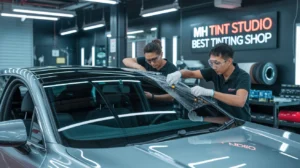
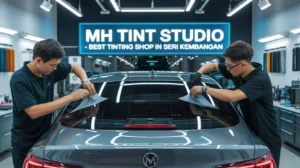
Car Tinting Kuala Lumpur

Types of Car Tinting Films

There are several types of car tinting films available on the market. The type of tint you choose depends on your preferences, budget, and the level of protection you’re looking for. Here are some common types of car tinting films:

1. Dyed Film

Dyed films are the most basic and affordable type of car tint. They’re made by layering dye over the film, which helps reduce the amount of sunlight entering the vehicle. While they provide some protection against UV rays and heat, they don’t offer as much as more advanced options. Dyed films are a good choice if you’re on a budget and need a basic tint for privacy.

2. Metalized Film

Metalized films contain metal particles that reflect UV rays and heat away from the vehicle. This type of film provides better heat and UV protection than dyed films and is more durable. However, the downside is that metalized films can sometimes interfere with electronic signals, such as GPS or mobile phone reception.

3. Ceramic Film

Ceramic tinting is one of the best options available for car windows. It offers excellent protection against UV rays and heat while not affecting electronic signals. Ceramic films are highly durable and have a long lifespan. They are more expensive than other types of films but are ideal for those seeking maximum comfort and performance.

4. Carbon Film

Carbon films offer a good balance between performance and cost. They are highly effective at blocking heat and UV rays and don’t interfere with electronic signals. Carbon films also resist fading over time and maintain their performance longer than dyed films.

Legal Considerations for Car Tinting in Kuala Lumpur

While car tinting offers numerous benefits, it’s important to remember that there are legal guidelines governing the level of tint allowed on vehicle windows in Malaysia. These laws are in place to ensure safety and visibility on the road.

In Malaysia, the Road Transport Department (JPJ) regulates car tinting, and there are restrictions on the percentage of light that can pass through the tinted windows. Generally, the front windshield must allow at least 70% light transmission, while the side windows can be tinted to a maximum of 50% light transmission. However, certain exceptions apply for medical conditions or security reasons, where a darker tint might be allowed.

Before getting your windows tinted, it’s important to check the local laws to ensure that your tint complies with the regulations. Working with a reputable tinting service will help ensure that you stay within the legal limits.

Conclusion

Car tinting in Kuala Lumpur offers a variety of benefits, including UV protection, heat reduction, enhanced privacy, and a more stylish appearance for your vehicle. With the scorching heat and intense UV levels in Kuala Lumpur, tinting your car windows is an essential investment for anyone who wants to stay comfortable, safe, and protect their car’s interior from sun damage.

Whether you’re looking to reduce glare, enhance privacy, or improve the look of your car, car tinting is a smart choice. By choosing the right tinting service, you can ensure that your windows are tinted with high-quality films that offer superior performance and long-lasting results.

Protect yourself, your passengers, and your car with professional car tinting services in Kuala Lumpur today!

Global Window Tint vs. Global Paint Protection Film
By Md Masud Monsur
3 weeks ago
No Responses

Introduction 

Vehicle protection has become more important than ever before, especially as the demands for both aesthetic enhancement and long-term maintenance have grown. Car owners are increasingly seeking ways to preserve their vehicle’s appearance while protecting it from environmental elements that could reduce its value. Two popular products that cater to these needs are Global Window Tint and Global Paint Protection Film (PPF). Both offer their own unique advantages, but they serve different purposes and provide protection in distinct ways. This article will explore both products in depth, comparing their benefits, application processes, and suitability for different types of car owners. By the end of this guide, you will have a clearer understanding of which option best meets your needs.

What is Global Window Tint?

Global Window Tint is a high-quality window film designed to be applied to the windows of your vehicle. Its main purpose is to block out UV rays, reduce heat, and provide privacy for passengers. Window tinting films come in various types, including dyed, metalized, and ceramic, each offering different levels of protection and visual effects. Global Window Tint, in particular, is known for its advanced ceramic tinting technology, which not only blocks UV rays but also helps in reducing glare from the sun. This can significantly improve driving comfort, especially during sunny days.

One of the most notable benefits of Global Window Tint is its ability to protect the vehicle’s interior from fading and cracking caused by prolonged exposure to the sun. It also enhances privacy by making it harder for people to see inside the car, which adds a layer of security for both the driver and passengers. The application process of Global Window Tint involves carefully cutting and fitting the film to each window, ensuring a seamless look that matches the contours of your car. While the tint is beneficial in several ways, it is important to keep in mind that different regions have varying legal restrictions on the darkness of window tint, so it’s essential to ensure your tint complies with local laws.

What is Global PPF?

Global Paint Protection Film (PPF) is a clear, durable film designed to protect the paintwork of your vehicle from damage caused by road debris, rocks, and scratches. Unlike traditional paint protection methods, PPF is virtually invisible once applied, making it an excellent choice for car owners who want to preserve the aesthetic appeal of their vehicle without altering its appearance. The film is made from advanced thermoplastic urethane and has self-healing properties, meaning minor scratches and marks can disappear over time due to heat exposure.

The primary purpose of Global PPF is to safeguard the vehicle’s paint from environmental damage. It prevents chips, stains, and scratches from road debris, ensuring that your car maintains its glossy finish for a longer period. The self-healing capabilities of PPF are particularly beneficial for those who want to keep their car looking like new, as the film can “heal” itself from minor surface damage, such as swirl marks. Applying Global PPF is a detailed process, typically requiring professional installation, as it involves applying the film to the painted surfaces of the vehicle with precision to ensure a seamless, bubble-free finish.

Global Window Tint vs. Global Paint Protection Film

Key Differences Between Global Window Tint and Global PPF 

While both Global Window Tint and Global PPF serve to protect your vehicle, they do so in very different ways. Global Window Tint is focused on enhancing the comfort and safety of your driving experience, primarily by blocking UV rays and reducing glare. It also offers aesthetic benefits by adding a sleek, polished look to your car. The primary goal of window tint is to enhance privacy and protect the interior of the car from sun damage.

On the other hand, Global PPF is specifically designed to protect the exterior paint of your vehicle. It offers a layer of defense against physical damage such as chips, scratches, and stains caused by road debris. While window tint provides protection from solar radiation, PPF focuses on maintaining the integrity of the car’s paintwork, preserving its appearance and value over time.

In terms of material, Global Window Tint typically uses a polyester-based film coated with a layer of metallic or ceramic particles that block UV rays. In contrast, PPF is made from a polyurethane material that provides more substantial physical protection. The installation process for each is different as well—window tinting involves carefully applying the film to the vehicle’s windows, while PPF requires applying a clear film to the painted surfaces of the car.

When it comes to durability, PPF generally outlasts window tint. While window tinting can last several years, it is more susceptible to peeling or fading, especially if exposed to harsh conditions. PPF, with its self-healing properties, can last much longer and is highly resistant to environmental damage.

While Global Window Tint is designed to provide aesthetic and comfort-related benefits, Global PPF focuses on long-term protection for your car’s paint. As such, the choice between the two will depend on what aspect of vehicle protection is most important to you.

Which One Should You Choose? 

Deciding whether to go with Global Window Tint or Global PPF depends on your specific needs and preferences. If you’re primarily looking for protection against heat, UV rays, and glare, as well as a boost in privacy and aesthetics, Global Window Tint is a great option. It’s particularly beneficial for those who live in sunny climates and want to improve the comfort and energy efficiency of their vehicle. It’s also a solid choice if you’re interested in enhancing the look of your car while ensuring the interior remains protected from sun damage.

However, if you’re more concerned about the exterior of your car and want to maintain its pristine paintwork, Global PPF is the better choice. It’s ideal for protecting your vehicle against rock chips, scratches, and other forms of physical damage. PPF is especially useful for high-end cars or those who drive frequently on highways or through areas with lots of road debris. It offers a transparent, protective layer that keeps the vehicle looking new for years to come.

Some car owners may find that using both products in combination is the best solution. By applying Global Window Tint for interior comfort and UV protection and using Global PPF to protect the exterior paint, you can provide comprehensive protection for your vehicle. This combination ensures that both the interior and exterior of your car remain in top condition, helping preserve its value over time.

Pros and Cons of Global Window Tint 

Global Window Tint provides numerous benefits, including reducing heat buildup inside the vehicle, protecting against harmful UV rays, and improving privacy. It can also enhance the car’s appearance by giving it a sleek, uniform look. However, it does come with some drawbacks. One of the main concerns is the legal restrictions on how dark the tint can be in certain areas, which may limit its usefulness in some regions. Additionally, improper installation can lead to bubbles or peeling over time, which can detract from the overall appearance.

Pros and Cons of Global PPF 

The major advantage of Global PPF is its ability to protect the vehicle’s paint from physical damage, including rock chips and scratches. It also offers self-healing properties, ensuring that minor surface damage disappears over time. However, the cost of PPF installation can be quite high, especially for a full vehicle wrap. The installation process also requires professional expertise to ensure a flawless finish, making it less DIY-friendly than window tinting.

Maintenance and Care: How to Keep Your Global Window Tint and PPF in Top Condition

Both Global Window Tint and Global PPF require regular maintenance to keep them looking their best. For window tint, it’s important to clean the tinted windows regularly with a soft cloth and avoid using harsh chemicals or abrasive materials that could damage the film. PPF, on the other hand, needs to be cleaned with a gentle touch, and it’s essential to avoid using abrasive cleaners that could scratch the surface of the film. In addition, PPF’s self-healing properties can be enhanced by exposing it to heat, which helps minor scratches disappear.

Conclusion 

In conclusion, both Global Window Tint and Global PPF are excellent products for protecting your vehicle, but they serve different purposes. If you want to improve comfort, privacy, and the aesthetics of your vehicle’s interior, Global Window Tint is an ideal choice. On the other hand, if you want to protect the exterior paint and keep your car looking new for years, Global PPF is the better option. Many car owners may find that using both products together offers the most comprehensive protection for their vehicle. Ultimately, the choice comes down to what you want to prioritize—interior comfort and privacy, or exterior protection from physical damage.

FAQs

1) Can I apply PPF and window tint at the same time?
Yes. PPF protects paint, tint protects glass. PPF is usually done first.

2) Is PPF worth it for a new car?
Yes. It protects original paint and helps maintain resale value.

3) Cost: Global Window Tint vs Global PPF?
Window tint costs much less. PPF is more expensive due to material and labor.

4) How long do they last?
Window tint: 5–7 years
PPF: 7–10+ years

5) Can they be removed?
Yes. Both tint and PPF can be safely removed by professionals.

Color PPF and Color Wraps
By Md Masud Monsur
4 weeks ago
No Responses

Introduction: Transform Your Car with Style and Protection

When it comes to enhancing the look of your car, there are several options out there, but color PPF (Paint Protection Film) and color wraps stand out as two of the most popular choices. Whether you’re looking for long-lasting protection, a fresh custom look, or a combination of both, these two services offer an excellent solution. But how do you decide which one is best for your car? In this guide, we will explore the differences between color PPF and color wraps, their benefits, drawbacks, and which one is the right choice based on your needs.

By the end of this blog, you’ll have a clear understanding of how color PPF and color wraps work, how they differ, and how to choose the right one to achieve the perfect balance of aesthetics and protection.

Section 1: What is Color PPF?

Paint Protection Film (PPF) has been around for years, originally designed to protect a vehicle’s paint from road debris, scratches, and chips. However, with recent advancements, color PPF has become a popular option for those who want to customize their car’s appearance while still maintaining superior protection.

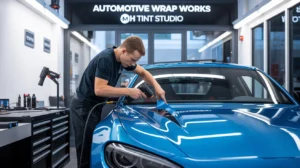
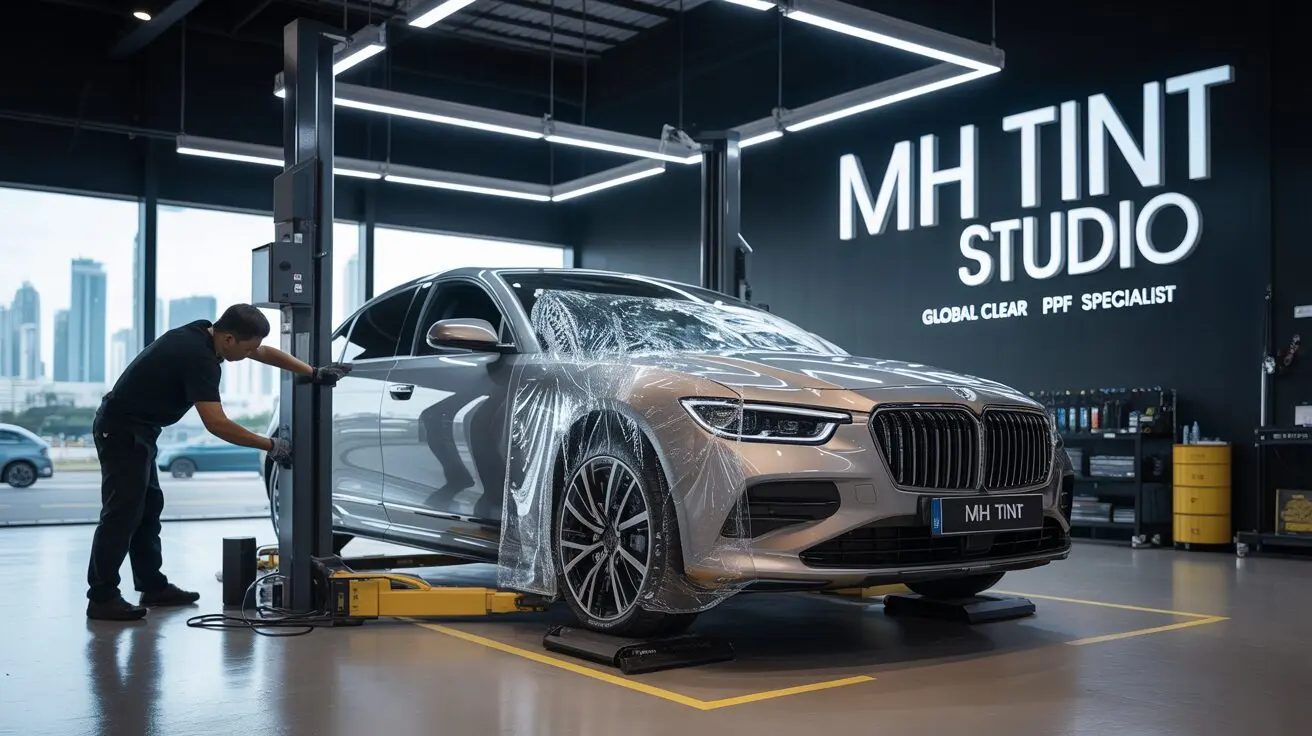
PPF Working in workshop

How Color PPF Works

Color PPF is a special type of film that covers your car’s paint. It’s a transparent, self-healing film that protects the vehicle’s paint from harmful elements like dirt, rocks, road salt, and even bird droppings. In addition to its protective properties, color PPF now comes in a variety of colors and finishes, giving car owners a way to change their car’s look while protecting it at the same time.

Key Features of Color PPF
  1. Self-Healing: Color PPF comes with a unique self-healing technology. Minor scratches and swirls in the film are repaired automatically when exposed to heat, keeping the film looking smooth and clean.

  2. Durability: The film is highly durable, designed to last for years without discoloring or fading. Unlike traditional paint, which can chip or wear away over time, PPF offers long-lasting protection.

  3. Protection Against Elements: Color PPF helps protect the paint beneath from UV rays, pollution, bird droppings, tree sap, and minor physical impacts like small stones or debris.

  4. Variety of Finishes: The film is available in a range of finishes, including glossy, matte, satin, and even textured options. This allows you to completely customize the appearance of your vehicle.

  5. Easy Maintenance: PPF is low-maintenance, requiring only occasional washing to keep it in top condition. The film doesn’t attract dirt and grime the way bare paint does, making cleaning easier.

Benefits of Color PPF

  • Superior Paint Protection: Protects the vehicle’s paint from rock chips, scratches, stains, and environmental damage.

  • Durability and Longevity: Color PPF is designed to last for many years, and the self-healing property helps the film stay smooth and clean for longer.

  • Aesthetic Appeal: With the variety of color options, you can enhance your vehicle’s look, whether you’re going for a bold color change or a sleek matte finish.

  • Resale Value: Since the paint underneath the PPF is protected, your car will look new longer, preserving its resale value.

Section 2: What Are Color Wraps?

A color wrap is a vinyl film that covers your car’s surface to change its appearance. Unlike color PPF, which focuses on protection, wraps are primarily designed to customize your vehicle’s look. However, they also offer some protective qualities, though not to the same extent as PPF.

How Color Wraps Work

Color wraps are made from high-quality vinyl material that is applied to the exterior of the vehicle. The vinyl comes in an extensive range of colors, textures, and finishes, allowing you to completely transform the look of your car. You can choose from solid colors, custom patterns, or even textured finishes like carbon fiber.

The process of applying a color wrap is relatively quick compared to traditional paint jobs, and it doesn’t require any permanent changes to the vehicle’s original paint. After the wrap is applied, it creates a protective layer over the car’s paint, shielding it from the sun’s UV rays, dirt, and other environmental factors.

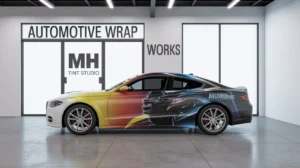
Color PPF and Color Wraps

Key Features of Color Wraps

  1. Customizable Designs: Color wraps allow for endless customization. You can choose any color, finish (glossy, matte, satin), or even a custom design, making it one of the most flexible options for personalizing your car.

  2. Cost-Effective: Wraps are typically more affordable than paint jobs or color PPF installations. This makes them an excellent choice for those on a budget or for those who want to change their car’s look frequently.

  3. Non-Permanent: One of the biggest benefits of a wrap is that it’s not permanent. If you get bored of the design or want to change the look of your car, you can easily remove or replace the wrap without damaging the underlying paint.

  4. Protection: While a wrap provides some level of protection, it’s primarily designed for aesthetic purposes. It offers protection from UV rays and dirt but won’t protect your vehicle from physical damage like scratches or chips.

Benefits of Color Wraps

  • Customization: With wraps, the design possibilities are virtually endless, giving you a high level of creative freedom.

  • Temporary Change: If you get tired of the wrap, it can be removed, and the original paint will be unaffected.

  • Cost-Effective: Wraps are generally more affordable than color PPF, making them a great choice for people who want to experiment with new looks or change their car’s appearance regularly.

  • Protective Layer: A wrap provides protection from the sun, dirt, and light scratches, keeping the original paint underneath in good condition.

Section 3: Comparing Color PPF and Color Wraps

While both color PPF and color wraps serve the purpose of enhancing your vehicle’s appearance, they have different characteristics. Let’s compare them based on several important factors:

1. Protection

  • Color PPF: Offers superior protection against rock chips, minor scratches, UV rays, and other environmental elements. It’s the go-to option if your priority is protecting your vehicle’s paint.

  • Color Wraps: Provides a basic level of protection against UV rays and dirt but doesn’t protect against physical damage like rock chips or scratches as well as PPF.

2. Aesthetics

  • Color PPF: While color PPF comes in various finishes, it’s mainly used for protecting the paint while enhancing its appearance. It offers a more polished, professional look but may have fewer color options than wraps.

  • Color Wraps: Offers a broader range of colors, patterns, and textures. Whether you want a vibrant custom color, matte finish, or even a unique graphic design, wraps offer much more flexibility in terms of aesthetics.

3. Durability

  • Color PPF: Color PPF is more durable and can last for 5 to 10 years if properly maintained. The self-healing properties help it last longer and keep its appearance intact.

  • Color Wraps: Wraps last around 3 to 5 years, depending on environmental conditions and how well you maintain them. They’re not as durable as PPF, and harsh weather conditions can shorten their lifespan.

4. Cost

  • Color PPF: Generally more expensive due to its protective benefits and longer lifespan.

  • Color Wraps: More affordable than color PPF, making it an ideal choice for those on a budget or people who want to change their car’s look more often.

5. Installation

  • Color PPF: The installation of color PPF is a more complex process, requiring professional installation to ensure the film adheres correctly without any air bubbles or wrinkles.

  • Color Wraps: Color wraps are easier to install and can be done by professionals or even as a DIY project if you’re up for the challenge. However, professional installation will ensure the best results.

6. Maintenance

  • Color PPF: Very low maintenance. PPF is easy to clean and maintain, and its self-healing properties make it resistant to minor scratches and blemishes.

  • Color Wraps: Wraps also require minimal maintenance but can get damaged more easily compared to PPF. They need to be cleaned regularly, and you should avoid harsh chemicals or abrasive cleaning tools.

Section 4: Which One Should You Choose?

Now that you know the differences between color PPF and color wraps, the next step is deciding which one is the right choice for you. Here are some tips to help you make the decision:

Choose Color PPF if:

  • You want to protect your vehicle’s paint from chips, scratches, and environmental damage.

  • You prefer a long-lasting solution that will keep your car looking new for years.

  • You want the added benefit of a self-healing material that keeps your car looking smooth and clean.

Choose Color Wraps if:

  • You want a bold, unique look with endless design options.

  • You are on a budget and want to achieve a customized look without spending too much.

  • You like the idea of changing your car’s look after a few years or months.

Conclusion: Finding the Perfect Solution for Your Car

Both color PPF and color wraps offer amazing benefits, and the right choice depends on your priorities. If you want maximum protection with the added benefit of a custom color or finish, color PPF is the better choice. On the other hand, if you’re looking for an affordable way to change your car’s appearance, or you just want to experiment with different looks, color wraps provide excellent flexibility.

No matter which option you choose, both color PPF and color wraps will make your car stand out from the crowd. Take your time, weigh the pros and cons, and choose the option that best fits your style and protection needs.

PET Super Materials vs. PVC Materials in Car Wrapping
By Md Masud Monsur
1 month ago
No Responses

Car wrapping is a fantastic way to give your vehicle a fresh, unique look or to advertise your business with a custom design. One of the key decisions in car wrapping is choosing the right material. Two of the most popular options are PET Super Materials and PVC Materials. While both are widely used in the wrapping industry, each has its own set of characteristics, advantages, and limitations.

In this article, we will explore the differences between PET Super Materials and PVC Materials, compare their properties, and help you decide which is best suited for your car wrapping project.

What is Car Wrapping?

Car wrapping involves applying a large vinyl sheet or film to a vehicle’s surface. This film can change the appearance of the car’s color, texture, or even provide advertising space. It is a popular alternative to traditional paint, offering a variety of designs and finishes, from glossy to matte, or even textured. Car wraps are made from durable materials that can withstand outdoor conditions, including sun, rain, and dirt.

But what makes one material more suitable for wrapping than another? Let’s break down the two most common materials: PET Super Materials and PVC Materials.

What Are PET Super Materials?

PET (Polyethylene Terephthalate) is a type of plastic often used in a variety of applications, from beverage bottles to clothing fibers. However, in the world of car wrapping, PET Super Materials refer to a specialized form of PET film designed for high-performance wraps.

PET films are well-known for their excellent clarity, strength, and resistance to wear and tear. They are often used in premium wrapping films due to their ability to hold intricate designs and deliver a smooth, durable finish.

Properties of PET Super Materials:

  1. Durability: PET films are highly resistant to scratches, UV radiation, and the elements. This makes them a long-lasting option for car wraps, especially in areas with harsh weather conditions.

  2. Flexibility: One of the main advantages of PET films is their flexibility. This material can easily stretch and conform to the curves of a car, ensuring that every surface is covered smoothly and without wrinkles.

  3. Eco-Friendliness: PET is a recyclable material, which makes it an eco-friendlier option compared to some other synthetic materials used in car wraps.

  4. Color Retention: PET films retain their color over time, even when exposed to intense sunlight. This ensures that your car wrap stays vibrant for a longer period.

  5. Cost: While PET materials can be more expensive than PVC, their durability and quality often justify the higher price tag.

PET Super Materials vs. PVC Materials in Car Wrapping

What Are PVC Materials?

PVC (Polyvinyl Chloride) is another common material used in car wrapping, often considered the standard material in the industry. PVC wraps are widely used for both commercial and personal vehicles, offering a broad range of colors and finishes.

Properties of PVC Materials:

  1. Cost-Effective: PVC materials are generally more affordable than PET films, making them an attractive option for businesses looking to wrap a fleet of cars or for individuals on a budget.

  2. Ease of Use: PVC wraps are known for being easy to work with. They’re less likely to wrinkle and are more forgiving for DIY installers.

  3. Durability: PVC wraps are durable but not as much as PET films. They can withstand the elements, but over time, they may show signs of fading or cracking, especially under heavy UV exposure.

  4. Thickness: PVC wraps tend to be thicker than PET films, which can be an advantage in terms of providing more coverage. However, this can also make them less flexible and harder to conform to complex shapes.

  5. Chemical Resistance: PVC is resistant to many chemicals, which makes it a great choice for wraps exposed to oils, fuels, and other automotive fluids.

Key Differences Between PET Super Materials and PVC Materials

Now that we know the basics of each material, let’s compare them side by side across several key categories:

1. Durability:

  • PET Super Materials: Highly durable, resistant to fading, UV damage, and scratches. They are ideal for long-term use and harsh climates.

  • PVC Materials: While durable, PVC wraps can fade or crack over time, especially when exposed to prolonged sunlight or extreme temperatures.

Winner: PET Super Materials

2. Flexibility:

  • PET Super Materials: Highly flexible, allowing them to conform well to complex curves and edges.

  • PVC Materials: Slightly less flexible, which can make them harder to apply over intricate designs or sharp curves.

Winner: PET Super Materials

3. Cost:

  • PET Super Materials: More expensive due to higher durability and quality.

  • PVC Materials: More affordable, making it an accessible option for budget-conscious individuals or businesses.

Winner: PVC Materials (for cost-conscious buyers)

4. Eco-Friendliness:

  • PET Super Materials: Recyclable, making them a better choice for environmentally-conscious buyers.

  • PVC Materials: Less environmentally friendly as they are not as easily recyclable.

Winner: PET Super Materials

5. Ease of Installation:

  • PET Super Materials: Can be trickier to install, especially for DIY enthusiasts, due to their thinner and more delicate nature.

  • PVC Materials: Easier to handle and apply, making it a go-to choice for DIY wrappers or for those looking for a quick solution.

Winner: PVC Materials

6. Color Retention:

  • PET Super Materials: Superior at maintaining color vibrancy over time, even in direct sunlight.

  • PVC Materials: Over time, PVC can lose its color and may start showing signs of fading or dullness.

Winner: PET Super Materials

Pros and Cons of Each Material

PET Super Materials vs. PVC Materials in Car Wrapping

PET Super Materials:

Pros:

  • Highly durable and long-lasting

  • Excellent color retention

  • Environmentally friendly and recyclable

  • Flexible, ideal for complex curves and edges

  • Suitable for harsh weather conditions

Cons:

  • More expensive than PVC materials

  • More challenging to install, requiring professional installation in many cases

PVC Materials:

Pros:

  • More affordable

  • Easy to apply, suitable for DIY

  • Good resistance to chemicals

  • Available in a wide range of finishes and colors

Cons:

  • Less durable, prone to fading and cracking over time

  • Not as flexible, making it harder to wrap complex shapes

  • Not as eco-friendly as PET

Which Material Should You Choose for Your Car Wrap?

Choosing between PET Super Materials and PVC Materials depends largely on your needs, budget, and the level of durability required for your car wrap.

  • If you want a long-lasting, high-performance wrap that maintains its color and looks even under harsh conditions, PET Super Materials are the better choice. Although they come at a higher price, their durability and eco-friendliness make them worth the investment for those looking for a premium option.

  • If you’re on a budget, need a quick solution, or are wrapping a fleet of vehicles, PVC Materials offer a cost-effective and easy-to-apply alternative. While they may not last as long as PET wraps, they still provide excellent results for short-term projects or vehicles that don’t require long-term durability.

Conclusion

Both PET Super Materials and PVC Materials offer distinct advantages depending on your car wrapping needs. Whether you prioritize cost, ease of installation, durability, or environmental impact, understanding the differences between these two materials will help you make a more informed decision.

For those looking for the best long-term solution, PET Super Materials provide superior performance, while PVC Materials serve as a reliable, budget-friendly option for those with more immediate needs.

In the end, the choice between PET and PVC wraps comes down to your priorities. Weigh the pros and cons carefully, and choose the material that best suits your vehicle, your design, and your budget.

Newsletter

Sign up our newsletter to get update information, news and free insight.

Latest News